Drainage That Stops Erosion Before It Starts
Ditching in San Angelo for properties dealing with runoff damage and standing water
Runoff from heavy rains cuts through unprotected soil, carves channels into roads, and leaves standing water that weakens foundations and kills pasture. Road Warriors Land Management handles ditching across San Angelo and surrounding Tom Green County properties where West Texas terrain and sudden downpours create serious drainage problems. You'll see graded channels that direct water away from structures, roads, and work areas without flooding low-lying land or washing out access routes.
Ditching involves cutting and shaping channels that follow natural slope lines to move water where it won't cause damage. The depth, width, and placement depend on how much water moves across your property during storms, what soil type you're working with, and where you need protection most.
Schedule a property evaluation to identify where water currently pools or erodes during rain events.
What Proper Drainage Work Prevents Long-Term
Ditching for ranch roads, driveways, agricultural land, and construction sites requires matching the channel design to how water behaves on your specific terrain. Shallow ditches work for light runoff on flat land, while steep slopes or heavy flow need deeper cuts with stabilized edges to prevent the ditch itself from washing out.
After the work finishes, you'll notice water moving off roads and away from buildings during storms instead of pooling or cutting new erosion channels. Driveways stay intact, pastures drain faster so livestock aren't standing in mud, and you won't see sediment washing into areas where it buries fences or clogs gates. Road Warriors Land Management shapes ditches that handle the volume and speed of runoff typical in this region without requiring constant maintenance after every storm.
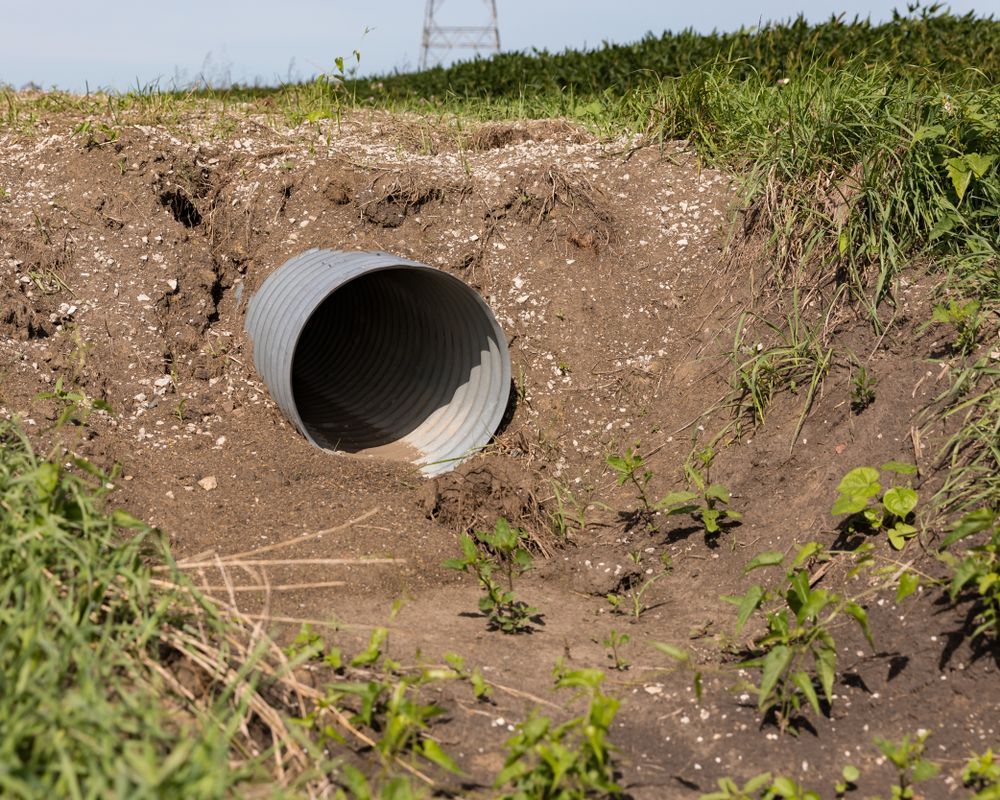
Ditching often pairs with grading work to ensure water flows toward the channels rather than around them. Some properties need culverts or rock lining in high-flow areas to keep ditches functional during the heaviest rains, while others only require periodic reshaping as soil settles.
What Property Owners Usually Ask
Drainage concerns vary depending on whether you're managing a working ranch, preparing land for construction, or protecting an existing homesite from water damage.
How deep do ditches need to be for effective drainage?
Depth depends on the volume of runoff and how quickly you need water to move off the property, with most ditches ranging from twelve inches to several feet deep based on terrain slope and soil absorption rates.
What happens to the dirt removed during ditching?
Excavated soil is typically spread along the ditch edge to create a berm that reinforces the channel, or it's relocated to low areas that need filling, depending on your land improvement goals.
When should ditching be done to prepare for the rainy season?
Work is best scheduled during dry months when soil is firm enough for equipment to operate without compaction issues, which in San Angelo typically means late summer through early spring before storms increase.
How does ditching help with road maintenance on rural properties?
Channels along roads intercept runoff before it crosses the driving surface, preventing washouts and ruts that make roads impassable during wet weather and reduce the need for repeated gravel replacement.
Why does standing water cause long-term problems beyond just mud?
Prolonged saturation weakens soil structure under buildings and roads, creates breeding grounds for mosquitoes, damages root systems in desirable vegetation, and accelerates rust on equipment and fencing stored in affected areas.
Road Warriors Land Management works with residential, agricultural, and commercial property owners who need drainage solutions that match West Texas runoff patterns and soil conditions. Request a consultation to review where ditching would prevent erosion and improve accessibility across your property.