Separation Zones That Slow Wildfire Spread
Fire Break Clearing in San Angelo for property borders, fence lines, and acreage requiring reduced wildfire risk during dry West Texas conditions
Dry conditions throughout West Texas create wildfire risks that threaten ranches, homes, and structures when dense vegetation grows along property borders and fence lines without adequate separation zones. Road Warriors Land Management removes brush and vegetation to create fire breaks that reduce wildfire spread risks across Tom Green and surrounding counties. The clearing establishes safer buffers around structures, improves emergency access for firefighting equipment, and reduces the fuel load that allows fires to jump property lines or reach buildings during high-risk periods.
Fire break clearing involves removing vegetation along strategic corridors such as property perimeters, fence lines, and areas adjacent to structures. The width and location of cleared zones depend on terrain, vegetation density, and proximity to buildings or infrastructure that require protection during wildfire events.
Schedule a site assessment to identify fire break locations and clearing priorities based on your property layout.
What Proper Fire Break Creation Involves
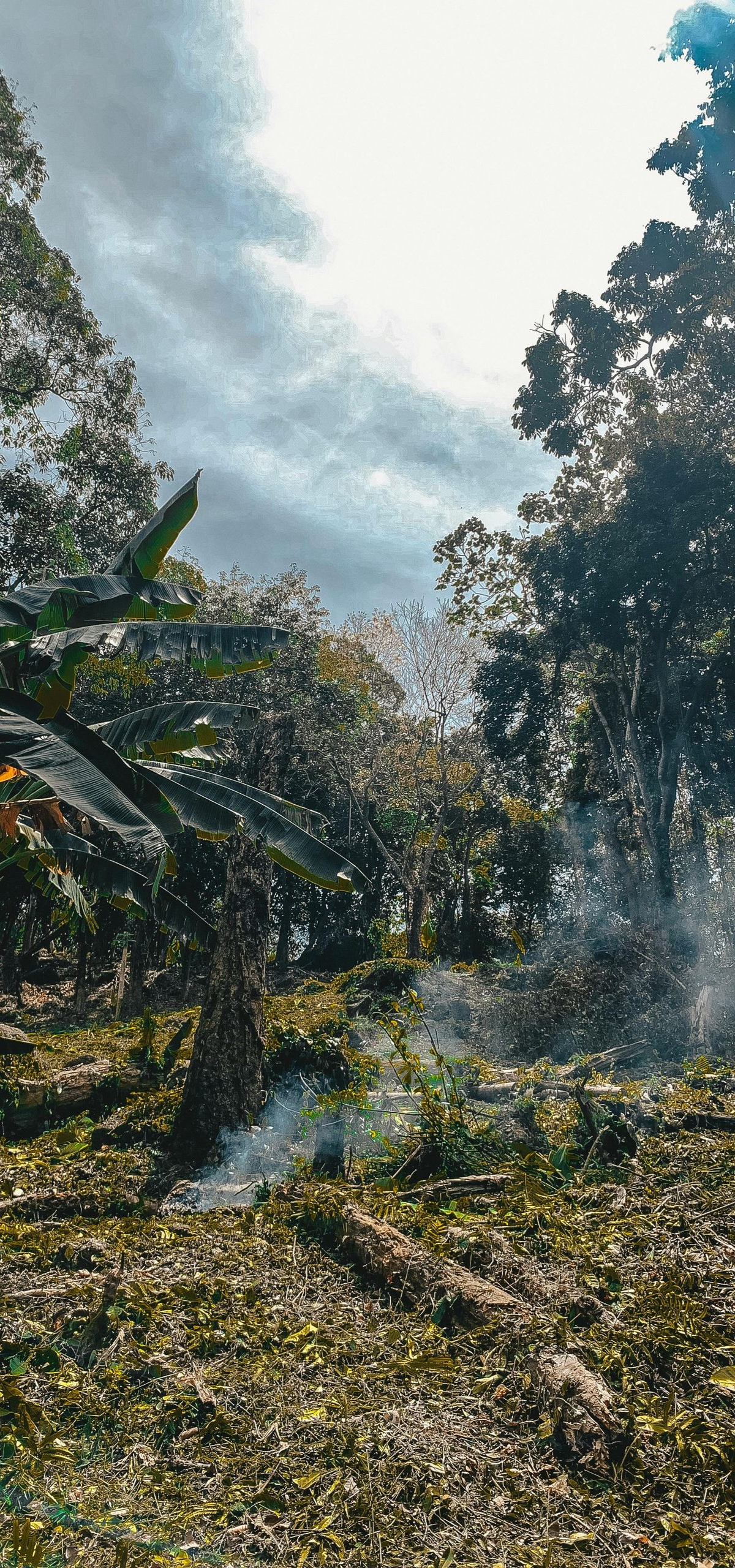
Effective fire breaks require sufficient width and vegetation removal to interrupt fire movement across the landscape. Narrow or incomplete clearing allows flames to jump gaps or spread through remaining fuel sources, while properly executed breaks create low-fuel corridors that slow fire progression and provide safer zones for firefighting efforts. Clearing removes cedar, mesquite, and dense undergrowth that carry flames quickly, and establishes maintained corridors along property lines that can be accessed by emergency equipment during active fire events.
Once fire break clearing is complete, you see open corridors along property borders where dense brush once created continuous fuel paths, clearer separation between structures and surrounding vegetation that reduces radiant heat exposure, and improved access routes that allow you to inspect fence lines and monitor property conditions during dry seasons. Agricultural and residential properties become safer because wildfire spread is interrupted before reaching critical structures or livestock areas.
Fire break clearing focuses on initial vegetation removal rather than ongoing maintenance. Breaks require periodic re-clearing because vegetation regrows, particularly after rain events. The frequency of maintenance depends on rainfall patterns, vegetation type, and how quickly invasive species reestablish along cleared corridors.
Questions Before Starting Your Project
Property owners concerned about wildfire risks during West Texas dry seasons often ask about fire break clearing before scheduling protective work.
What width should a fire break be to effectively slow wildfire spread?
Break width depends on vegetation type, terrain slope, and proximity to structures. Wider breaks provide better protection in areas with dense fuel loads or steep slopes that accelerate fire movement, while narrower corridors may be sufficient along maintained fence lines with lighter vegetation.
How does fire break clearing improve emergency access during wildfire events?
Cleared corridors allow firefighting equipment to reach property perimeters and establish defensive positions without navigating through dense brush. Emergency responders can access structures and water sources more quickly when breaks provide open routes along property borders.
When should fire breaks be cleared to maximize protection during high-risk periods?
Clearing before dry seasons begins provides the most protection, but breaks can be established any time conditions allow equipment operation. Timing depends on current vegetation density, recent rainfall, and your property's proximity to areas with higher wildfire risk.
What types of vegetation contribute most to wildfire spread in Tom Green and surrounding counties?
Cedar and mesquite contain oils that burn intensely and carry flames quickly through dense stands. Dry undergrowth and accumulated dead material also create continuous fuel that allows fires to move across property lines and approach structures.
How does ongoing property maintenance change after fire breaks are established?
Breaks require periodic re-clearing to prevent vegetation from reestablishing along corridors. Maintenance intervals depend on rainfall and regrowth rates, but managing cleared zones is less intensive than controlling overgrowth across entire property perimeters.
Road Warriors Land Management creates fire breaks for ranches, residential properties, and recreational acreage requiring wildfire protection and improved emergency access. Request fire break services to establish safer separation zones around your structures and property borders.